All Categories
Featured
Projecting High-Growth Opportunities for 2026
Table of Contents
You've recognized that your main rivals use feature-rich platforms, but with high learning curves and enterprise-level rates. If your item is instinctive, fast to onboard, and considerably more affordable, this becomes your core placing. By highlighting simplicity and accessibility in your messagingwhile keeping the right price pointyou take area in the market that others have neglected.
It's a consistent process that feeds straight into product development, pricing method, customer experience, and brand name communications. As strategist Jay Abraham observed, "Your competitors can teach you everything you require to understand about your own consumers." By assessing both your position and theirs, you construct a clearer, more actionable roadmap for sustainable development.
It's a fitting suggestion that research is just as important as the decisions it shapes. After recognizing your rivals and evaluating your position in the market, the next action is to develop a clear, actionable roadmap that moves your brand forward. A reliable competitive analysis method doesn't end with observationit culminates in execution.
If your analysis reveals a rates space that puts you at a drawback, this may become your very first point of correction. If a brand-new audience sector reveals signs of high capacity, you might choose to move messaging or introduce a targeted campaign to reach them directly. Next, equate those concerns into measurable goals.
Advanced Competitive Intelligence Strategies
Instead, define what success appears like. This might mean raising brand name awareness by improving your share of voice on social networks, increasing product trial rates by 20% over the next quarter, or improving your client fulfillment rating by two points on a validated ranking system. Assigning responsibility is equally important.
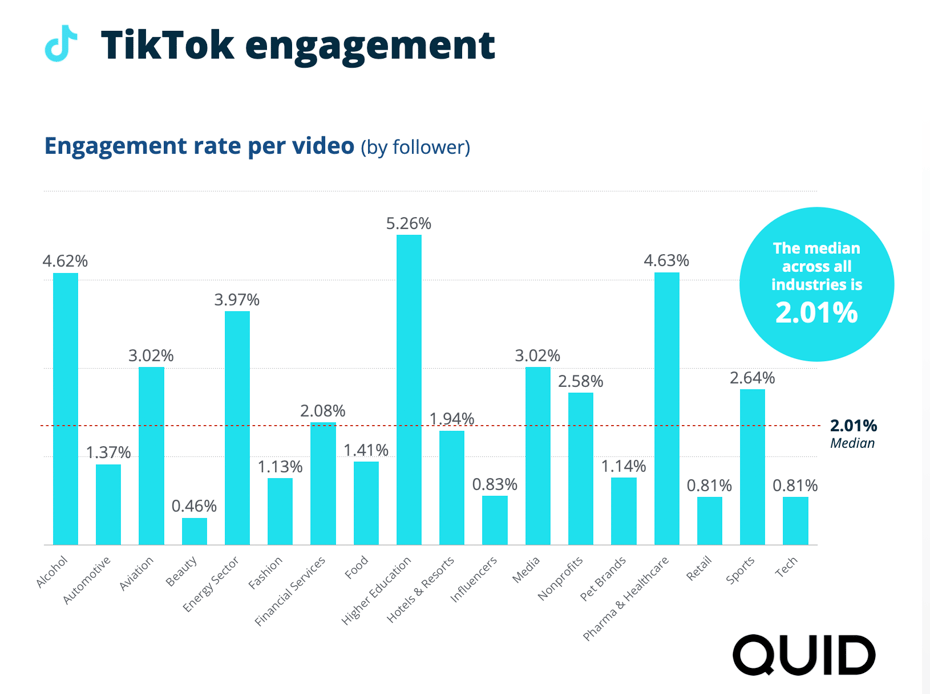
[target1:anchor_exact1]Does the marketing group need to revitalize placing throughout all digital channels? Is item advancement in charge of constructing out brand-new features that meet unmet consumer needs? Set timelines and budget plan allocations so expectations are clear and development can be tracked. While agility is essential, your method also needs consistency.
This helps you maintain focus while staying responsive to changing characteristics in the market. It anticipates what's next, drawing from patterns revealed throughout competitive market research study.
The insights you have actually gathered must not stay in decks and dashboardsthey must reveal up in your messaging, your pricing, your product roadmap, and ultimately, your market performance. Markets shift quickly, new entrants emerge with disruptive designs, and client expectations continue to evolve.
Business that treat it as an ongoing procedure are much better positioned to anticipate modification, spot market gaps early, and react with dexterity. Tracking your competitors routinely enables you to spot patterns across their rates strategies, item developments, and go-to-market messaging. Monitoring these changes assists your group prevent surpriseswhether that's a sudden cost drop, a product function leap, or a brand-new campaign that shifts client belief.
Standardizing Industry Performance Standards
Regular rival analysis also discovers chances to lead. To make competitive research sustainable, businesses should construct a monitoring system into their operations.
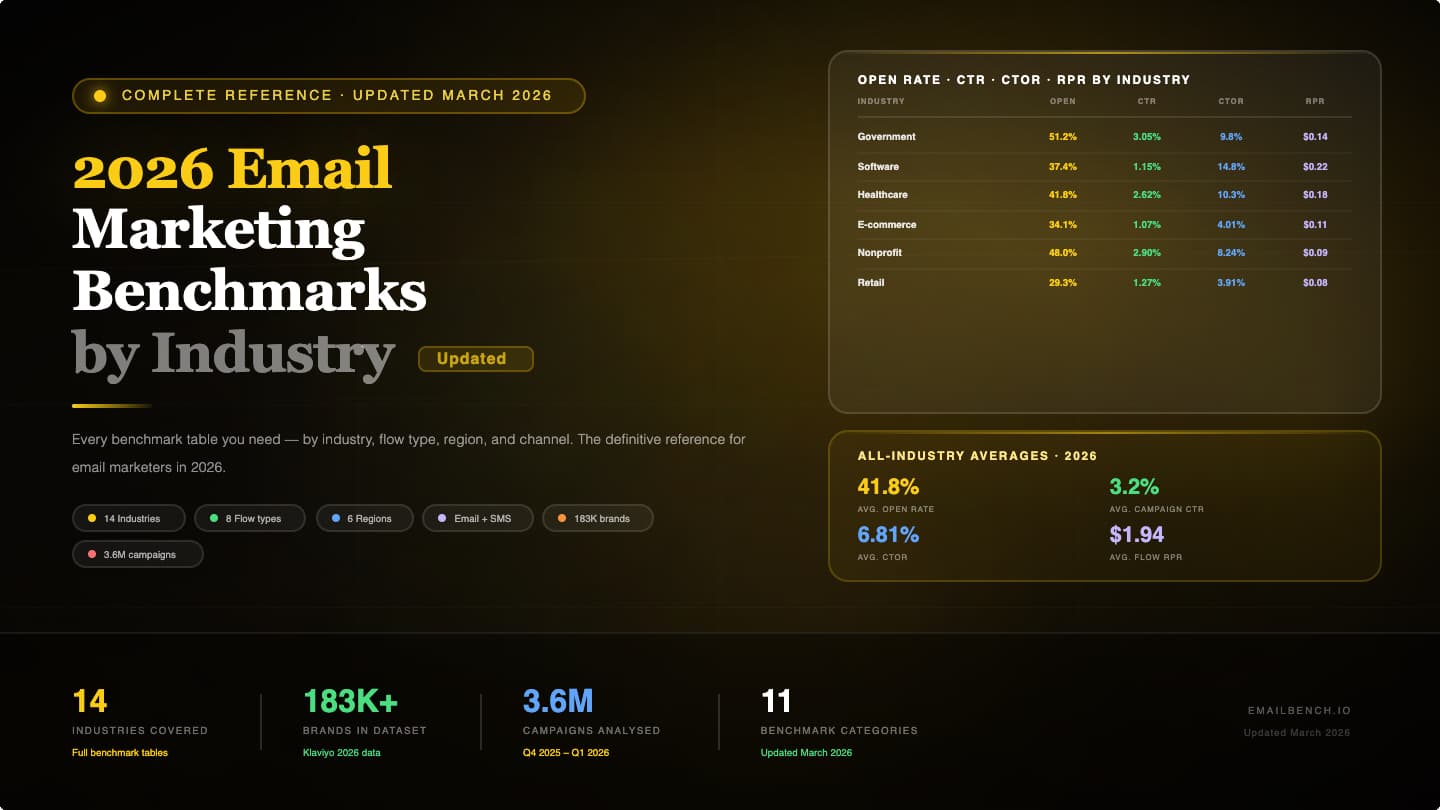
[target2:anchor_exact1]Several toolslike SEMrush, Similarweb, and Grow Socialcan help automate parts of the procedure, but the insights still need to be interpreted through your business's tactical lens. For business running in fast-evolving sectors like tech, energy, or travel, the cadence of competitive reviews may be month-to-month and even constant. For those in more steady sectors, a quarterly deep dive may be adequate.
The expense of missed signals in a crowded market can be steep. The fight in between Airbnb and the global hotel market offers one of the clearest illustrations of how competitive analysisor the lack of itcan shape market results. When Airbnb released in 2008, it didn't appear like a hazard. It placed itself as a community-based travel platform offering inexpensive stays in local homes.
However by the mid-2010s, Airbnb had ended up being a favored choice for millions of travelers across the world. Hotels, a lot of which stopped working to acknowledge Airbnb's distinct value proposal early on, were sluggish to react. Let's break this down using a simplified for each side. Lower costs for travelers compared to lots of hotels.
Deep Review of Industry Performance Benchmarks
Flexible inventory without the capital cost of owning residential or commercial properties. Strong personalization through user profiles, reviews, and suggestions. Global scalability powered by a digital-first, mobile-native experience. Irregular visitor experiences across hosts. Ongoing fights with local regulators over zoning, taxes, and permits. Restricted amenities compared to full-service hotels. Brand name recognition and trust, specifically for company and high-end tourists.

Latest Posts
Comparing Industry Growth Benchmarks in the US
Utilizing Market Research to Drive Sector Results

Actionable Marketing Reports for Future Sector Success